
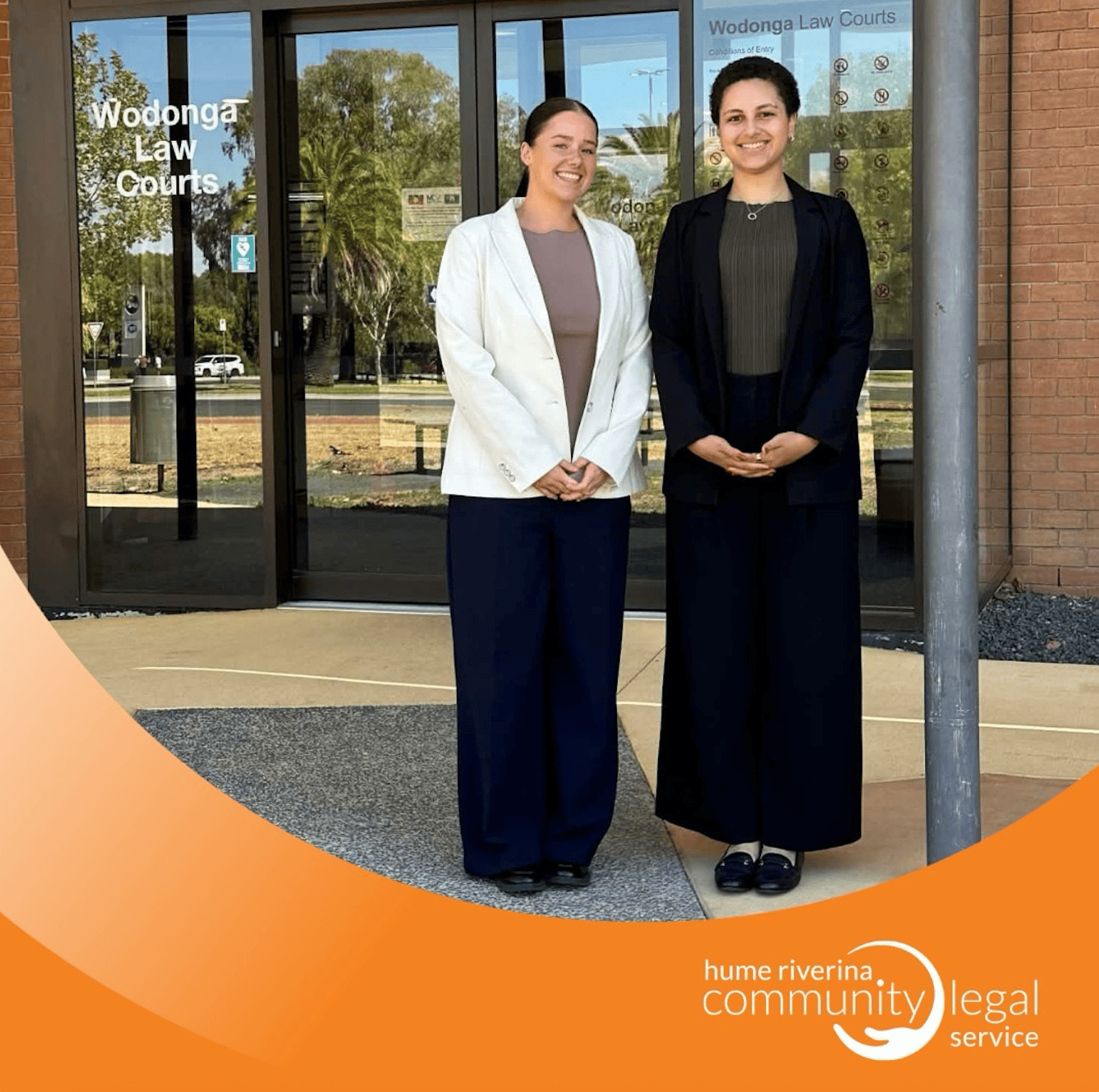
(Image: Law Students Claudia Ziebarth and Tiana Williams at Wodonga Court.)
Reflective Journal
My placement at the Hume Riverina Community Legal Service (HRCLS) provided an invaluable opportunity to observe the practical realities of community-based legal practice in a regional setting. Throughout the placement, I had the opportunity to shadow solicitors, attend court, observe client meetings, assist with legal drafting tasks, and participate in outreach visits. These experiences gave me insight into both the day-to-day work of community lawyers and the broader access-to-justice challenges faced by individuals living in regional areas.
Before this placement, much of my understanding of the legal system had been shaped by my academic study and legal work experience in metro areas. While this knowledge provided a foundation for understanding legal principles, this placement allowed me to see how these principles operate in regional contexts. I observed how legal problems often intersect with broader social issues such as financial hardship, family breakdown, housing insecurity, and limited access to services.
This placement ultimately reinforced the importance of community legal centres as key institutions in the justice system. In regional areas particularly, these centres play a critical role in bridging gaps in legal access by providing free legal advice, representation, and community education to individuals who might otherwise struggle to obtain legal assistance.
Workplace culture
One of the most positive aspects of my placement was the supportive and collaborative workplace culture at HRCLS. The staff, particularly my supervisor Gabby Maginness, were so welcoming and took the time to explain their work and the legal issues involved in each matter. Rather than limiting my involvement to passive observation, the solicitors encouraged discussion and reflection, which helped me understand the reasoning behind their legal strategies and client advice.
It quickly became apparent that the work of community legal centres differs in several important ways from traditional private legal practice. While private firms may focus primarily on commercial outcomes or client billing structures, HRCLS operates with a clear social justice mission. The lawyers I observed were strongly committed to assisting individuals who face barriers to accessing legal support, including financial hardship, low levels of legal literacy, and limited availability of legal services.
One of the key skills I observed while sitting in on client meetings was the ability to communicate legal concepts in clear and accessible language. Many clients attending the centre were unfamiliar with legal procedures or terminology, which meant that the lawyers needed to carefully explain legal options in a way that clients could understand. This emphasised the importance of legal literacy as a component of access to justice. Even where legal remedies exist, individuals may not benefit from them if they cannot understand the processes involved.
Another important aspect of the lawyers’ work involved managing client expectations. In many situations, clients hoped for quick or simple solutions to complex legal problems. The lawyers needed to balance empathy for the client’s situation with honest explanations about the limitations of the law and the possible outcomes of their case.
Experiencing legal practice in a regional community
One of the most interesting aspects of my placement was experiencing legal practice within a regional community. Compared with larger metropolitan areas, the pace of life felt noticeably slower and more community oriented. The smaller scale of the community meant that individuals often had stronger connections with one another and with local institutions.
However, my placement also demonstrated that the legal issues faced by individuals in regional areas are just as complex as those experienced in cities. In fact, some challenges can be amplified in regional communities due to the limited availability of services. Clients may face difficulties accessing legal assistance, social services, or mental health support because these services are often concentrated in larger urban centres.
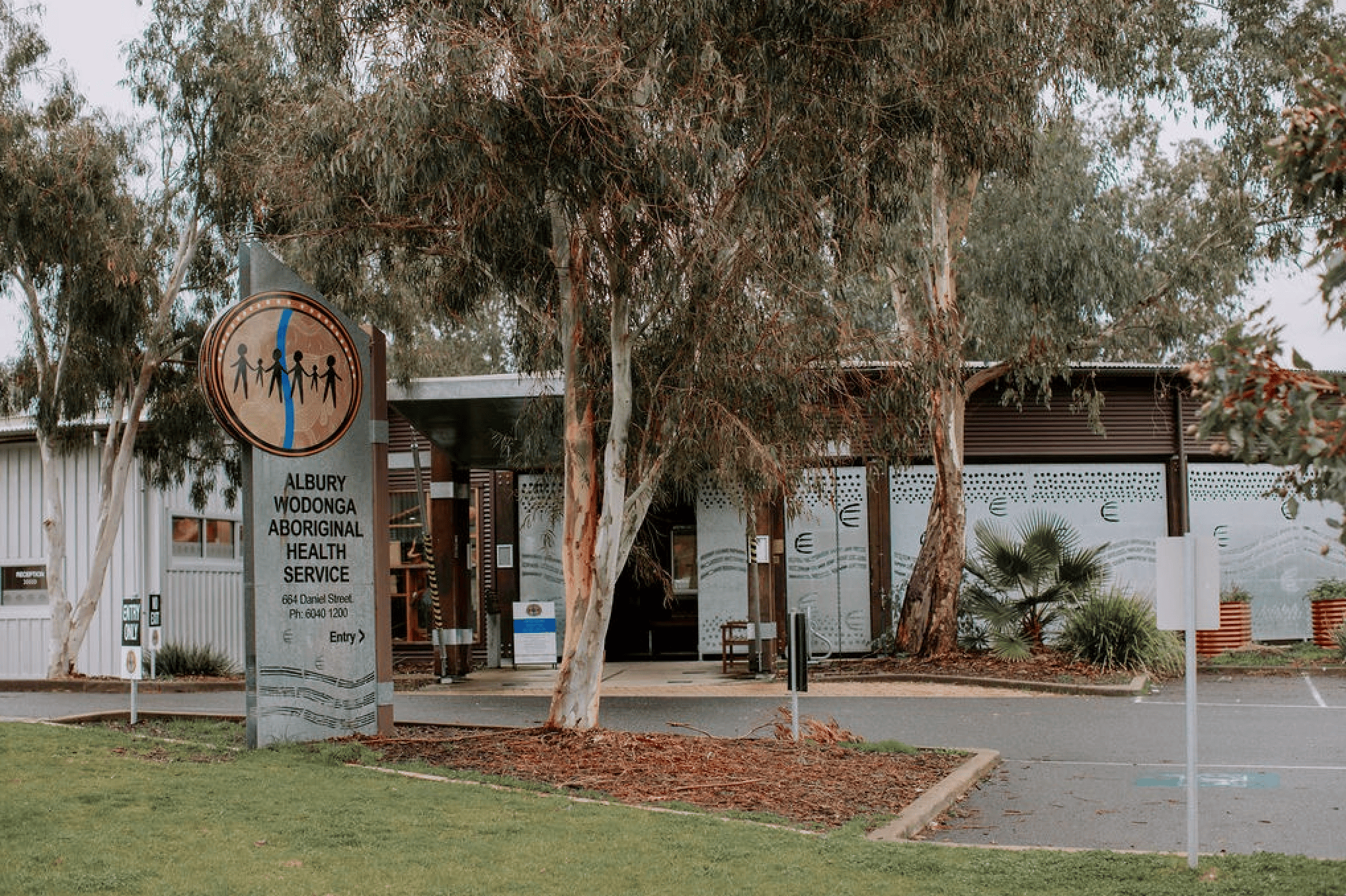
(Image: Co-locating with Hume Riverina Community Legal Service at Albury Wodonga Aboriginal Health Service in the Bagaraybang bagaraybang mayinygalang (BBM): Empowering and alleviating, Health Justice Partnership (HJP).)
Another important insight I gained from my placement was that regional communities often experience higher levels of socioeconomic disadvantage. Many clients attending the centre were dealing with financial hardship, housing instability, or employment insecurity. These factors frequently contributed to the legal issues they were facing.
For instance, clients dealing with debt disputes often had limited financial capacity to repay the debts being pursued by creditors. In such cases, the legal centre’s role extended beyond simply explaining legal rights. The lawyers also worked to negotiate payment arrangements or hardship waivers that would allow clients to manage their financial obligations more realistically.
Outreach services and regional accessibility
A key component of HRCLS’s work involves providing outreach services to communities across the region. Because many towns are located significant distances from major legal centres, outreach programs are essential to ensuring that residents can access legal advice.
During my placement, I had the opportunity to attend duty lawyer days at the local Magistrates Courts in Wangaratta and Wodonga. I also had the opportunity to shadow solicitors during outreach visits to Gateway Health Wangaratta, the Wangaratta Therapeutic Community, the Albury Wodonga Aboriginal Health Service and the Wodonga Flexible Learning Centre. Travelling to these locations provided insight into the logistical challenges involved in delivering legal services across a large geographic area. The road trips themselves also highlighted how isolated some communities can be, reinforcing the importance of outreach initiatives.
Court attendance and observations
Attending court was one of the most valuable learning experiences of my placement. Observing real court proceedings allowed me to see how legal processes operate in practice and how lawyers advocate for their clients.
Many matters involved family violence intervention orders or other family law issues. These cases often involved complex personal circumstances and required careful legal handling. Observing these proceedings highlighted the role that legal professionals play in ensuring the safety and protection of individuals affected by family violence.
An important observation from these experiences was that family violence occurs across all communities, regardless of whether they are metropolitan or regional. This challenged some common assumptions that family violence is primarily an urban issue. Instead, the cases I observed demonstrated that family violence is a widespread social problem that affects individuals in many different contexts.
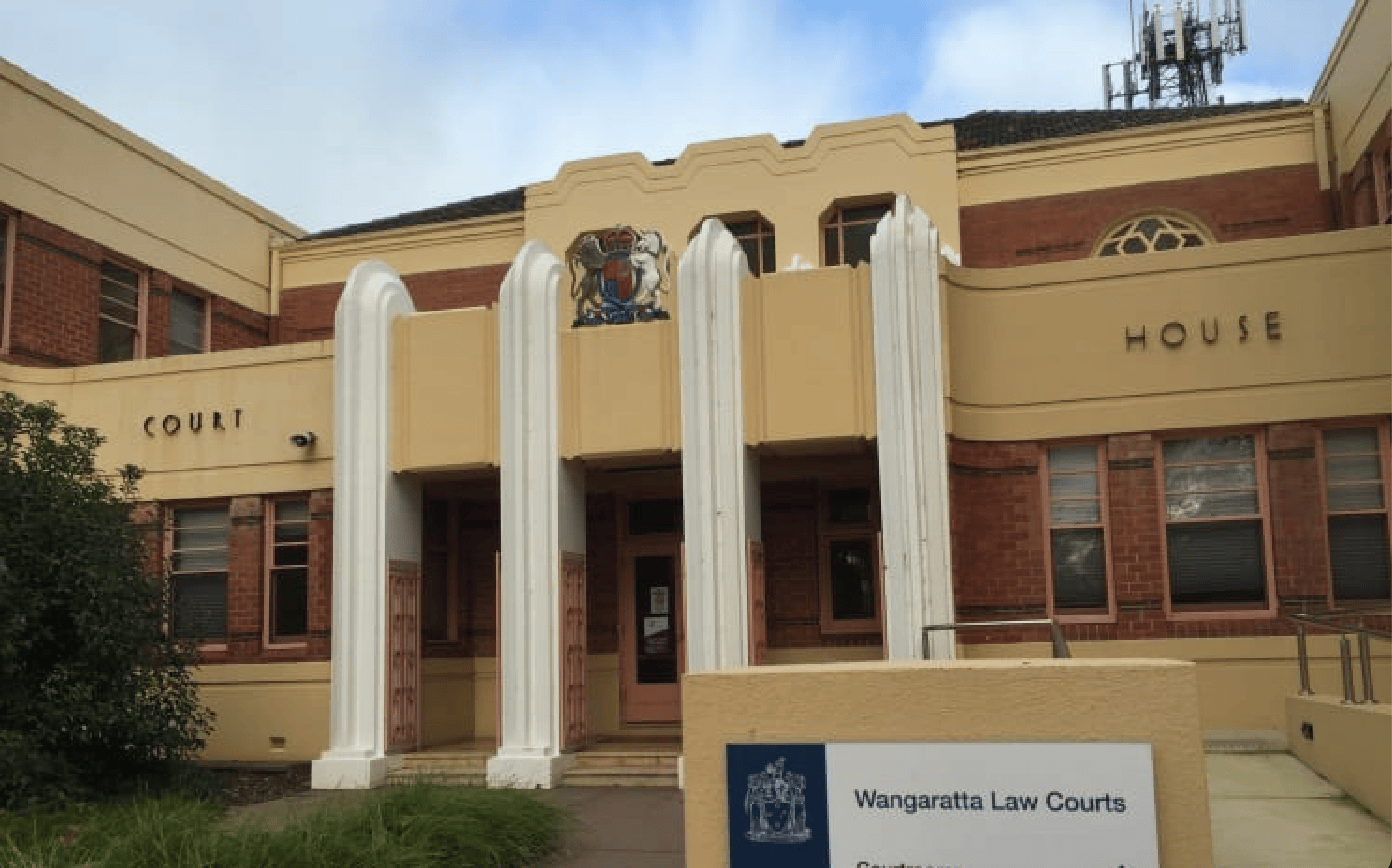
(Image: Wangaratta Law Courts entry.)
Exposure to different areas of law
During my placement, I observed legal work across several areas of law, particularly civil law and family law.
Civil law matters included issues such as debt disputes, consumer law issues, and tenancy problems. One example involved assisting with the drafting of a response letter to an insurance company regarding a car accident and associated debts. The client involved was experiencing financial hardship, and the HRCLS was attempting to negotiate either a waiver of certain costs or a manageable repayment plan.
This case demonstrated how legal issues can quickly escalate into significant financial burdens for individuals. Without legal assistance, the client may have struggled to challenge the insurance company’s claims or negotiate a realistic payment arrangement.
Family law matters are also a major part of the centre’s work. These cases included intervention orders, family violence matters, and child protection issues. Many clients attending the centre were seeking advice about upcoming court hearings or the legal options available to them.
Observing these cases helped me to understand the complexity of family law disputes and the emotional challenges faced by clients involved in these proceedings.
Key lessons about access to justice
One of the most important insights from my placement was the extent to which legal problems are often intertwined with broader social and economic issues. Many clients seeking assistance were dealing not only with legal disputes but also with financial hardship, housing insecurity, or family conflict.
These experiences demonstrated that access to justice is not simply about the availability of legal rules. It also depends on whether individuals have the resources, knowledge, and support necessary to navigate the legal system.
In regional areas particularly, access to justice can be limited by geographic distance, limited legal services, and socioeconomic disadvantage. Community legal centres like HRCLS therefore play an essential role in addressing these barriers.
Another lesson was the importance of holistic legal support. Lawyers often needed to consider the broader circumstances of their clients when providing advice. In many cases, effective legal assistance involved negotiating practical solutions rather than pursuing lengthy court proceedings.
Personal reflection and future aspirations
Overall, my placement at the Hume Riverina Community Legal Service was an extremely rewarding experience that strengthened my interest in pursuing a career in the social justice sector. Observing the work of the lawyers at the centre demonstrated the meaningful impact that legal professionals can have on the lives of individuals facing difficult circumstances.
The placement also reinforced my interest in working in areas related to community advocacy and First Nations justice. Access to justice remains a significant issue for many communities, particularly in regional and remote areas.
Seeing the dedication of the HRCLS staff inspired me to continue developing my legal skills with the goal of contributing to this work in the future.
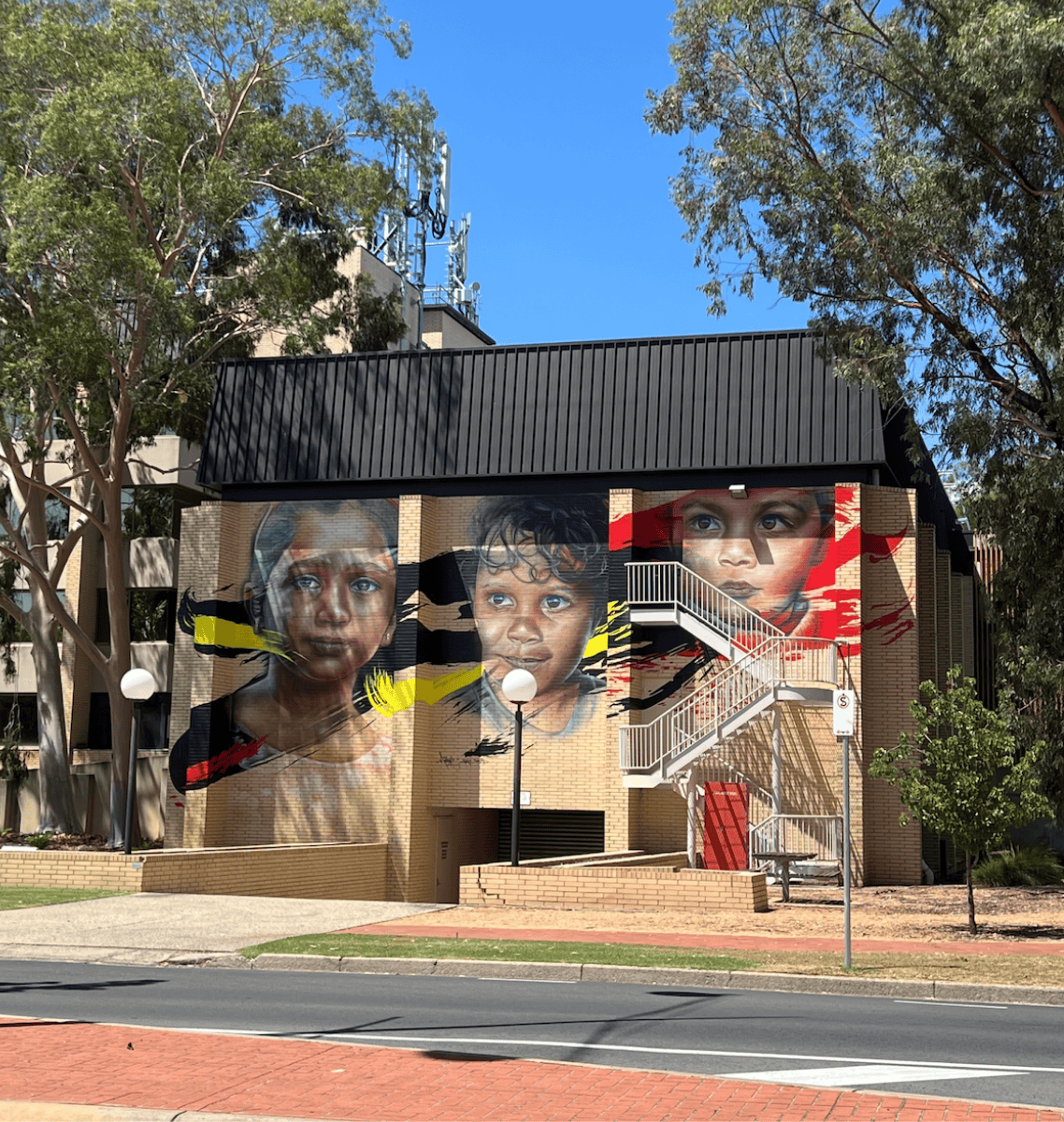
(Image: Large mural of Aboriginal children on a public building.)
Find out more about the Community Legal Centres NSW Regional, Rural and Remote Internship Program for Aboriginal and Torres Strait Islander students.